
Latest Wardrobe Design: Smart Storage Meets Modern Style
January 23, 2026
Decometal: Exploring Real Metal Surfaces for Interior Applications
February 16, 2026
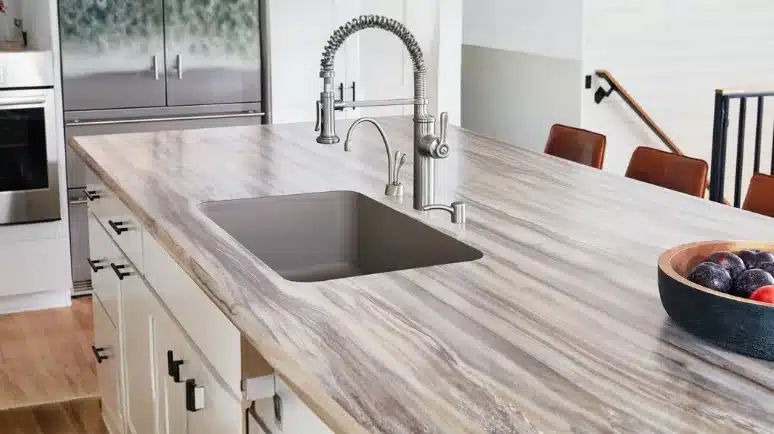
You do not even think twice about your bench tops most of the days. They are simply there, as a part of the routine. When you enter the door the grocery bags drop with a dull thump. One of them leans on the counter half-conversing, half-browsing their phone. A cup of tea makes you see and know a ring too pale. However, later, as things have settled down, the same location turns out to be the one where warmed up leftovers are prepared or lunch packed to be eaten the next day.
It is amusing how all this is quite soon altered when something is not right. There is always a patch by the sink which is wet regardless of the number of times you wipe it. There is a small scald spot on it caused by falling on a hot pan for a second. The edge near the tap begins to become somewhat swollen, somewhat fatigued. What you used to lose into the backdrop is out of the blue, in front of your face every time you enter the kitchen.
Surely it is good for holding the kettle, or even a chopping board, but bench tops are useful. They define the experience of a space and the way in which persons navigate it. They serve as natural resting places in open-plan houses more so, as the spots where one can lean, chat and take a moment to rest. The question of the correct surface is not about the trends and finishes. It is about the little minute things that transpire about it on a daily basis.
What Are Bench Tops and Where Are They Used
Most people think of kitchens first, but bench tops quietly appear all over the home.
You’ll find them:
- Under bathroom mirrors
- In laundry rooms for folding clothes
- As built-in desks or study corners
- Extending into breakfast bars
- In cafés, shops, and reception areas
In smaller homes, one surface often serves multiple purposes. It might hold a laptop in the morning, groceries in the afternoon, and dinner plates in the evening.
In open-plan layouts, bench tops also act as gentle dividers. An island separates cooking from living without closing off the room. A slim counter near a window becomes the default coffee spot.
Because they’re used constantly, they need to feel solid without dominating the room visually.
Kitchen Bench Tops: Key Considerations for Everyday Use
Kitchen bench tops see more action than almost any other surface in the home.
Hot pans land without ceremony. Knives scrape. Water splashes. Appliances sit in one spot for years, leaving pale shadows when finally moved. A surface that looks beautiful in a showroom can feel very different after six months of real use.
A few things become obvious once you live with them:
- Durability matters because accidents happen
- Heat resistance prevents those “oh no” moments
- Moisture resistance is essential near sinks
- Smooth surfaces are easier to keep clean
- Slightly rounded edges feel more forgiving in busy homes
The best surfaces don’t draw attention. They quietly handle everything you throw at them.
Different Types of Bench Tops for Modern Homes
All materials possess advantages and peculiarities. There is not one that is perfect, and that is one of the decisions.
- One of the reasons why engineered stone is popular is that it does not demand much of you. It is a stain resistant material, non absorbent and it stands up to everyday usage.
- The natural variance of granite and marble is something that cannot be imitated by manufactured surfaces. Granite is a hard material and is not affected by heat. Marble is less rigid and requires sealant yet most individuals are willing to provide the additional care due to the aesthetic quality of the surface.
- Laminate has changed and it is able to replicate timber or stone rather well. It is also cost-effective as well, but not as resistant to heat and impact.
- Hard surface material forms smooth joints and inbuilt sinks. Scratches that are minor can be repaired and this contributes to cleanliness.
- Timber brings in the warmth, which could not be reproduced in hard surfaces. It hardens contemporary areas however requires frequent sealing and maintenance near moisture.
- Stainless steel is used in professional kitchens and it is easy to handle the heat and usage. It does have fingerprint and scratchy fine lines, but there are those who prefer the wear and tear appearance that has been built over a long period.
The issue of selection of material is usually determined by how much maintenance you feel comfortable with.
How to Choose Bench Tops for Kitchens and Dining Areas
It helps to think about how the space is actually used rather than how it looks in a display kitchen. If cooking happens daily, durability should lead the decision. If the surface doubles as a gathering place, warmth and comfort might matter more.
Some things worth considering:
- How often you cook
- Whether the space doubles as a dining area
- Natural light and how it affects color
- Thickness and visual weight
- Long-term upkeep
- Environmental considerations
Many homes combine materials. A durable prep surface paired with a timber extension can feel both practical and inviting.
Bench Tops and Interior Style: Matching Design Themes
Bench tops quietly shape the character of a space. Minimal interiors often use neutral stone with clean lines. Scandinavian-style kitchens lean toward pale timber and soft tones. Industrial spaces pair darker finishes with steel or concrete. Traditional kitchens often feature marble or granite with more detailed edges.
In newer homes, waterfall edges and bold veining add visual interest without adding clutter.
Mixing materials can add depth. Timber paired with stone softens the look while keeping durability where it matters.
Maintenance and Care Tips for Long-Lasting Bench Tops
Bench tops don’t need a lot of attention, but they do respond well to small, everyday habits. The quick wipe you do after making tea or finishing dinner is usually enough to keep the surface looking fresh. Over time, it’s these tiny routines — not special products, that help the bench age well instead of looking tired too soon.
For everyday cleaning
- Wipe with warm water and a little dish soap after use.
- Dry around the sink area so water doesn’t sit and leave marks.
- Avoid harsh cleaners or rough scrubbers that can dull the finish.
To prevent everyday wear
- Set hot pans on a trivet instead of directly on the surface.
- Use a chopping board to avoid scratches.
- Lift heavy appliances when moving them rather than dragging.
If your bench top is stone or timber
- Reseal natural stone occasionally to keep stains from settling in.
- Oil timber surfaces now and then to prevent drying or cracking.
When spills happen
- Wipe up lemon juice, vinegar, wine, or other acidic liquids quickly.
- Check seams and edges where moisture tends to linger.
None of this takes extra effort. It simply becomes part of tidying the kitchen, and over the years, those small habits help the surface keep its character and stay easy to live with.
Final Thoughts
Once bench tops have been installed, they hardly receive much attention, but they bear the daily routines that they sustain. They possess morning hurly, evening meal preparation and the in-between time.
It is not about the pursuit of trends in the selection of the right surface. It is durability, comfort and lived-in space. When a choice succeeds, then you cease to think about the choice.
And it is that silent safety that makes a kitchen warm, recognizable, and at home.
FAQs
The most livable materials are frequently solid surface materials and engineered stone. They are quick to clean with moderate soap and water, don’t absorb moisture, and are stain-resistant. Marble and wood are lovely natural materials, but they require periodic oiling or sealing to remain in good shape.
Consider more than just showroom attractiveness. Take your cooking frequency, the amount of sunlight the area receives, and your tolerance for upkeep into account. As fashions evolve, neutral hues, long-lasting finishes, and materials that age well tend to stay classic.
It’s the little things that have the largest impact. Spot spills quickly, especially those involving acidic substances. To avoid scratches, use trivets for hot cookware and cutting boards. Avoid using aggressive cleaners and dry any damp areas close to sinks. These easy routines assist in maintaining the surface’s longevity and appearance over time.