Decometal: Exploring Real Metal Surfaces for Interior Applications
February 16, 2026
Luxury TV Unit Design Ideas For Elegant Living Room Interiors
March 13, 2026
When someone decides to freshen up a home or workspace, the first thoughts usually go to paint colours, new lights, or maybe different furniture. Those changes are easy to see. But after a while, it’s the surfaces you use without thinking that start to matter more. The cupboard you open while cooking. The desk that catches every coffee drip on rushed mornings. The table that ends up holding everything from dinner plates to unopened mail.
That’s often when formica sheets come into the picture. They’ve been around for a long time, so many people picture the older styles they grew up with. What’s available now feels quite different. The textures look more natural, the finish holds up better, and the range of formica sheet colours makes it easier to fit them into modern spaces without them standing out for the wrong reasons.
People don’t pick them just because they’re practical. They pick them because they handle daily life without fuss, the spills, the constant wiping, the everyday wear, and still look decent at the end of the day.
What Are Formica Sheets and How Are They Used
You’ve likely seen Formica sheets many times without thinking about them. They’re on cabinet doors, work desks, and café tables, surfaces that get used all day and still manage to look neat.
Put simply, they are thin sheets bonded onto a base like plywood or MDF to create a finished outer layer. Instead of exposed board or paint that chips, the laminate protects the surface and adds colour or texture.
In everyday use, that just means less worry. They’re easier to wipe clean, handle regular wear better, and don’t need frequent touch-ups.
You’ll commonly find them on:
- Kitchen cabinets and counters
- Wardrobes and drawers
- Office desks and workstations
- Wall panels and display units
- Retail counters and café tables
Another practical advantage is that they can refresh an existing surface without replacing the entire unit. For renovations, that saves time and cost. For new spaces, they offer a durable finish from the start.
Popular Applications of Formica Sheets in Homes and Offices
Formica sheets have stayed popular because they simply make everyday living easier. They’re not flashy, but they hold up well, stay neat, and don’t demand much maintenance.
At home
- Kitchens: Cabinets face steam, spills, and constant wiping, yet still look clean and put together.
- Wardrobes & storage: Help guard against scratches in spaces opened and closed all day.
- Dining tables & counters: Everyday spills and crumbs wipe away quickly.
- Wall panels & headboards: Bring in warmth and texture without the care real wood needs.
In offices & commercial spaces
- Desks & workstations: Handle daily use and stay easy to clean.
- Reception counters: Keep a polished look even with continuous foot traffic.
- Partitions & meeting rooms: Simple finishes help create a calm, professional atmosphere.
Why they fit anywhere
- Durable enough for daily wear
- Cleaning stays quick and simple
- Finishes blend with both modern and classic interiors
They offer a quiet practicality that helps spaces stay presentable while standing up to everyday use.
Exploring Formica Sheet Colours for Interior Design
Color could be used to shift the atmosphere of a room silently. This might not be noticeable but it influences the feel of the space. Nowadays, with the variety of Formica sheet shades, you can change that impression and leave the rest the same.
Light neutrals, such as off-white, cream or soft grey, allow a space to be open and easy to the eyes. These are usually used when a clean and simple appearance is wanted.
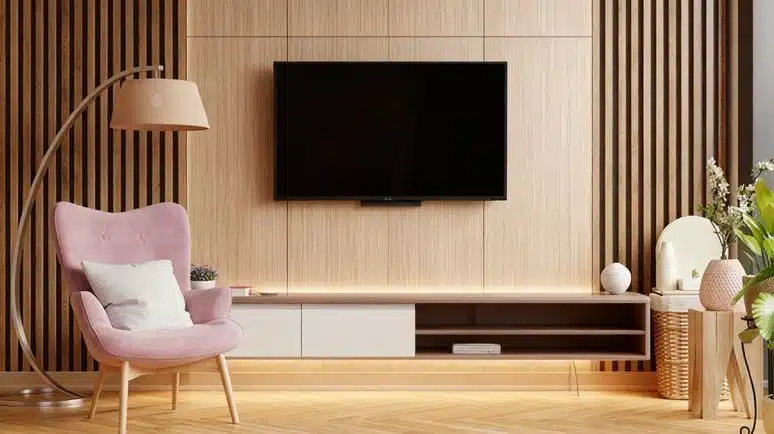
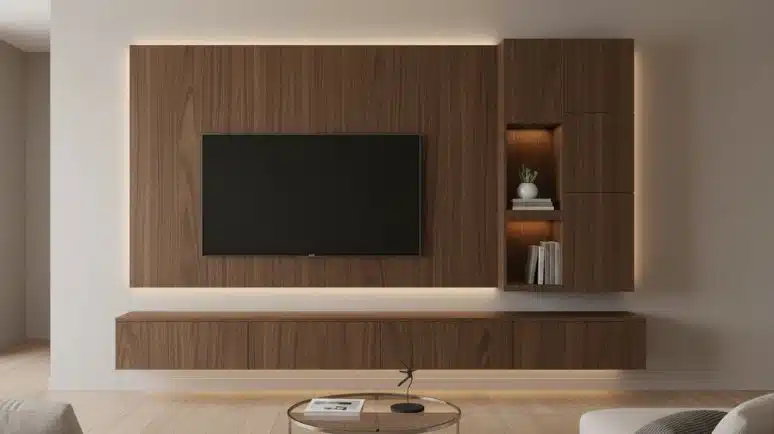
Wood-like finishes are encouraging and natural like, and they do not require the maintenance that real timber requires. They are comfortable and settled in both modern apartments and in traditional houses.
Darker colors like navy, charcoal or deep green add some depth where a room is flat. They are applied to cabinets, islands, or even to one panel and make a contrast without dominating the space.
Finish makes a difference
- Matte surfaces diffuse light and make a subtle and non-bright appearance.
- Gloss finishes reflect the light and may make smaller rooms appear lighter.
- Light colors can be used to open up smaller spaces.
Further deeper tones are also present, which give the room a sense of weight and make it feel grounded.
How to Select the Right Formica Sheets for Different Spaces
When you consider everyday routines instead of showroom displays, selecting formica sheets becomes simpler. Durability and ease of cleaning become top concerns if cooking is done frequently. Comfort and warmth might be more important if the surface serves as an eating or meeting place.
Among the useful things to think about are:
- The frequency of usage of the surface
- Lighting options, both artificial and natural
- How the surface goes well with walls and flooring
- Preference for textured, glossy, or matte surfaces
- Comfort with sustained upkeep
Many homeowners mix and match finishes, combining woodgrain or textured designs for visual appeal and sturdy laminates for work spaces.
Formica Sheets vs Other Surface Materials: A General Comparison
Choosing a surface finish, the majority of the population will seek the assistance of something that can be used daily and not reduce to an additional workload. This is why formica sheets have been used frequently. They are economical, convenient, and cheap to maintain.
Compared with Natural Wood
- Less influenced by the moisture or humidity.
- Not very high maintenance requirements.
- Maintains the same appearance with time.
Compared with Veneer
- Selectively resists scratches and day-to-day wear.
- Easier to clean and maintain
- Less expensive and particularly in large areas.
Compared with Acrylic
- Has fewer fingerprints and smudges.
- Being less serious on minor scratches.
- Comes in a huge selection of textures.
Compared with painted surfaces
- Less likely to chip or stain
- Easy to clean up after day to day use.
- The stand-up to frequent wear and tear.
Beautiful materials are natural and warm. Instead, laminates are reliable and easy to use and that is why it fits areas that are used on a daily basis.
Care and Maintenance of Formica Sheets
One of the biggest advantages of formica sheets is how easy they are to live with. They don’t demand special treatment or complicated routines.
A soft cloth and mild cleaner are usually enough to remove dust and spills. Strong chemicals or abrasive scrubbers can dull the finish over time, so gentler cleaning works better.
A few simple habits help maintain their appearance:
- Wipe spills before they sit too long
- Use mats or trivets under hot cookware
- Avoid dragging sharp or heavy objects
- Clean regularly with a soft cloth
Gloss finishes may show fingerprints more easily, while matte finishes tend to hide smudges better. With minimal care, formica sheets can maintain their appearance for years.
Final Thoughts
We frequently underestimate how much our living surfaces influence how we see a room. They facilitate daily chats, dinner preparation, late-night work, and morning coffee.
Formica sheets have changed significantly from their original purpose. With increased durability and a variety of colors for formica sheets, they provide useful solutions that also encourage careful design.
Selecting them has nothing to do with following trends. It all comes down to choosing surfaces that are resilient to everyday wear and tear, simple to maintain, and flexible enough to accommodate changing environments.
With careful selection, they just carry out their duties as the rest of life takes place around them.
FAQs
Yes, they do well in kitchens since they can easily withstand spills, wetness, and routine cleaning. They keep surfaces tidy and manageable during regular kitchen tasks when placed correctly on worktops or cabinets.
Formica sheets have a long lifespan when used regularly and with minimal maintenance. Keeping surfaces appearing presentable over time and preserving their gloss requires quick spill cleanup, avoiding extreme heat, and avoiding scratching.
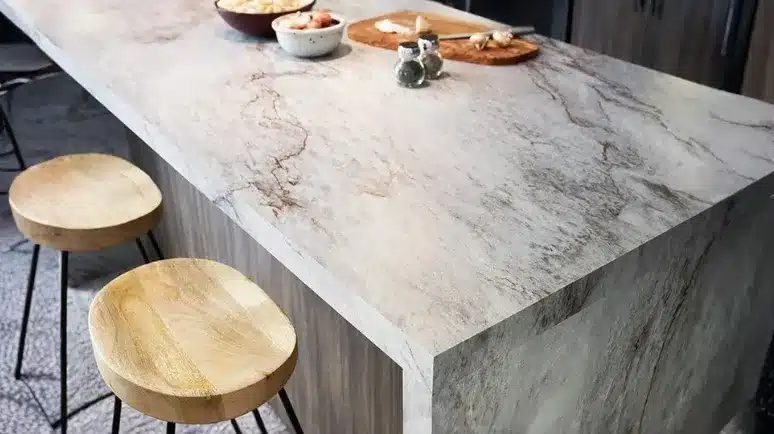
Contemporary coatings are made to closely resemble natural textures. The durability and low maintenance that natural materials frequently lack are combined with a warm, genuine appearance in designs inspired by woodgrain and stone.